
Use this guide to scope the application work and request contact from an Australian immigration lawyer through this website’s enquiry form; the publisher is an information guide, not a law firm.
What work can a visa application lawyer handle?
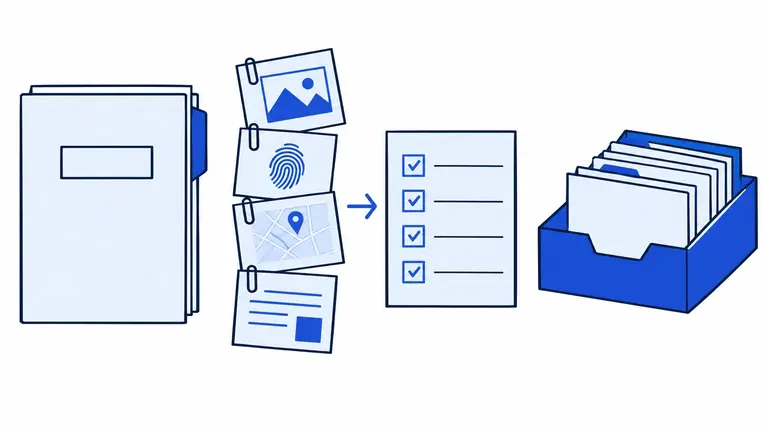
A lawyer’s role can cover an initial assessment, preparation and lodgement, or assistance with an application already underway. You do not have to appoint a lawyer to apply: Home Affairs’ legal-practitioner guidance explains how an Australian legal practitioner can assist. Agree on the work included before giving instructions.
| Task | Records needed | Possible lawyer work product | Scope boundary |
|---|---|---|---|
| Pathway assessment | Current grant, immigration history, proposed purpose and relevant personal circumstances | Advice on potential pathways, legal barriers and evidence gaps | A possible pathway is not confirmation of eligibility or approval |
| Evidence preparation | Genuine identity, relationship, sponsor, employment or study records | Evidence checklist, chronology and submissions addressing relevant criteria | Supporting evidence must establish the applicable requirements |
| Lodgement | Completed answers, supporting documents and any related nomination or sponsorship records | Reviewed application and agreed lodgement arrangements | Confirm whether related applications and official charges are included |
| Department correspondence | Complete request or notice, attachments and notification details | Advice and a response tailored to the issues raised | Do not assume every notice has the same response period |
| Maintaining accurate information | Submitted application, later changes and identified errors | Advice on corrections, updates and their implications | A correction does not necessarily remove earlier legal consequences |
Authorised immigration assistance. Preparing and maintaining visa applications involves immigration assistance restricted by Migration Act s 280, with exemptions including Australian legal practice. Do not presume an unauthorised helper’s application-preparation error attracts professional indemnity insurance cover or that resulting losses can certainly be recovered.
Application preparation, an adverse decision and a current-status problem need different scopes of assistance. The Immigration Law Attorney in Australia guide explains those broader legal-help categories before you decide what to request.
Which visa family fits the proposed application?
Start with the purpose of the proposed stay, then assess the actual visa requirements and application circumstances. Home Affairs’ visa listing identifies available visa categories; the family descriptions below are starting points, not findings that you qualify.
| Purpose or circumstances | Relevant application family | Legal-assistance focus |
|---|---|---|
| Joining or remaining with a partner | Partner |  Relationship evidence and partner-route complications need focused assessment. A Partner Visa Lawyer can help scope that work. Relationship evidence and partner-route complications need focused assessment. A Partner Visa Lawyer can help scope that work. |
| Joining another family member | Family |  The relevant family relationship and sponsor evidence must be assessed for the proposed pathway. A Family Visa Lawyer can assist with those issues. The relevant family relationship and sponsor evidence must be assessed for the proposed pathway. A Family Visa Lawyer can assist with those issues. |
| Working in Australia | Work |  Visa, nomination and sponsorship evidence may need coordinated preparation. A Work Visa Lawyer can assess which parts apply to the proposed pathway. Visa, nomination and sponsorship evidence may need coordinated preparation. A Work Visa Lawyer can assess which parts apply to the proposed pathway. |
| Studying in Australia | Study |  Student-application issues and later graduate-stage status require distinct assessments. A Student Visa Lawyer can help identify the legal questions at each stage. Student-application issues and later graduate-stage status require distinct assessments. A Student Visa Lawyer can help identify the legal questions at each stage. |
| Visiting temporarily | Visitor |  The proposed visit should be assessed alongside current lawful-stay constraints. A Visitor Visa Lawyer can examine those circumstances. The proposed visit should be assessed alongside current lawful-stay constraints. A Visitor Visa Lawyer can examine those circumstances. |
| Seeking protection | Protection |  Protection claims, supporting evidence and any adverse decisions require individual legal assessment. A Protection Visa Lawyer can help define the necessary work. Protection claims, supporting evidence and any adverse decisions require individual legal assessment. A Protection Visa Lawyer can help define the necessary work. |
What records should you prepare?
Prepare an organised record set rather than collecting every document you can find. The lawyer can then identify which evidence is relevant and what remains missing.
- Identity: passport details, previous passports and records explaining name or identity changes.
- Current status: visa grant notices, conditions, expiry information and any bridging visa grants.
- Immigration history: previous applications, submitted answers, refusals, cancellations and withdrawal confirmations.
- Correspondence: complete Home Affairs notices, attachments, dates received and any responses already sent.
- Proposed purpose: a short explanation of the intended stay and visa family being considered.
- Supporting evidence: relevant relationship, family, sponsor, nomination, employment or study records.
- Chronology: key events, travel, applications and changes in circumstances in date order.
- Translations: existing translations and the original documents, so further translation requirements can be checked.
Use authentic, unaltered records. Home Affairs’ accurate-information guidance explains the importance of genuine evidence; explain discrepancies instead of editing records to make them appear consistent.
An allegation about identity, documents or false information needs a specific assessment, not an assumption that every mistake has the same outcome. A PIC 4020 Lawyer can examine applicability and response options: Schedule 4 criterion 4020 of the Migration Regulations distinguishes document or materially false-information issues from identity requirements, with different exceptions and waiver provisions.
How do you correct or withdraw an application?
Correction, notification of changed circumstances and withdrawal are different actions. Identify which action is needed before sending a response.
Identify what happened. Record the question, original answer, correct information and when you discovered the problem. Distinguish an answer that was wrong when submitted from an answer made incorrect by a later change. If you want to withdraw, record which application and why.
Preserve the submitted record. Keep the application, attachments, correspondence and submission receipts. Do not overwrite or alter source documents.
Use the appropriate notification procedure. Section 101 requires complete, correct application answers. Under s 105, discovering an answer was incorrect when given requires written notification to an officer as soon as practicable, including the correct answer; that duty can continue after grant. Section 104 separately requires written notification as soon as practicable of relevant changed circumstances: for an applicant in Australia at grant, it concerns changes before grant; for an applicant outside Australia at grant, it extends from application until immigration clearance. Check current official instructions for the submission method. Migration Act ss 101, 104 and 105 govern these obligations.
Assess withdrawal consequences before acting. Under s 49, an applicant may withdraw by written notice to the Minister, and the application is then treated as disposed of. Withdrawal before refusal is not a refusal for ss 48 and 48A, but application fees are generally not refundable, subject to the Regulations. Do not assume withdrawal resolves incorrect-information concerns. Migration Act s 49 should be considered alongside any continuing notification obligations.
Check status and correspondence separately. Neither correcting information nor withdrawing an application itself preserves lawful status. Examine the actual visa grant, conditions and operative period, including any bridging visa consequences; Home Affairs’ expiring or expired visa guidance explains the need to hold a valid visa while in Australia. Retain submission confirmation and check for further correspondence.
How do you request application assistance?
Use the enquiry form to request contact from an Australian immigration lawyer. Provide enough information to identify the task:
- proposed visa family and purpose;
- present location and current visa or status;
- whether an application has already been lodged;
- assistance sought—assessment, preparation, correspondence, correction or withdrawal;
- relevant notice dates and any stated response date;
- preferred contact method.
Avoid unnecessary sensitive documents at the initial enquiry stage. An enquiry does not create representation or protect a deadline; acceptance of instructions and fees are matters for the receiving lawyer.
Before proceeding, request a written scope and quote in A$ identifying the professional fee basis, GST treatment, official application charges and disbursements. Clarify whether correspondence, related sponsorship work and later updates are included.
If an application is already underway, the following guides address distinct next steps:
- For a further-information invitation, use the Section 56 Request guide to organise records around the actual notice.
- For an invitation to comment on relevant adverse information, use Section 57 Natural Justice to understand why a tailored response is needed.
These are different procedures under Migration Act ss 56–58. The notice and applicable prescribed period govern the response, including whether an extension is available; there is no universal deadline.
To appoint or change a practitioner, Appointing an Immigration Lawyer explains the distinction between legal assistance and authorised receipt of correspondence. Home Affairs’ practitioner guidance provides information about notifying an appointment using Form 956.
An Australian immigration lawyer can assess the proposed pathway, identify evidence gaps, reconcile inconsistent records and prepare an application or response suited to your circumstances. Request legal help.