
Which family relationship is relevant?
Start with the relationship between the proposed applicant and the person in Australia—not simply the wish to reunite the family. Parent, child and other relative pathways have different requirements; a family connection alone does not establish eligibility. Use the Home Affairs visa listing to identify the intended visa, then have its current requirements assessed against the family’s circumstances.
The matrix below is a preparation guide, not an eligibility test.
| Relationship claimed | Applicant and sponsor roles to clarify | Records to locate | Questions requiring assessment |
|---|---|---|---|
| Parent | Identify the parent seeking a visa and the proposed sponsor in Australia. | Birth records linking generations, family-composition records, sponsor status documents and any previous applications. | Which parent pathway is intended? Where can the applicant apply? Which sponsorship, family-composition and financial-support requirements apply? |
| Child | Identify the child seeking a visa, the relevant parent and proposed sponsor. | Birth or adoption records, parental-responsibility documents, relevant court orders and existing visa records. | How do age, dependency, parental responsibility and location affect the intended pathway? |
| Other relative | Describe the precise relationship and identify the proposed applicant and sponsor. | Records tracing the relationship, family-composition information and evidence of any claimed dependency or care circumstances. | Is there a pathway matching these circumstances? What particular dependency, care or family-composition test must be addressed? |
Record whether the relationship arises through birth, adoption or another legally relevant arrangement. If the relationship is actually between spouses or partners, identify that at the outset rather than treating it as a parent, child or other-relative matter.
What sponsor and dependency evidence needs review?
Organise records around what each document proves. The following table suggests useful material to locate; it does not mean every document is legally required for every family visa. Confirm the requirements through the intended visa’s page in the Home Affairs visa listing and any application-specific instructions.
| Evidence area | Useful material to organise | What needs review |
|---|---|---|
| Relationship records | Birth, marriage, name-change and adoption records, where relevant. | Whether the records establish the claimed relationship and explain different names or dates. |
| Sponsor information | Citizenship or visa-status records, residence information and previous sponsorship details. | Whether the proposed sponsor meets the requirements for the intended pathway. |
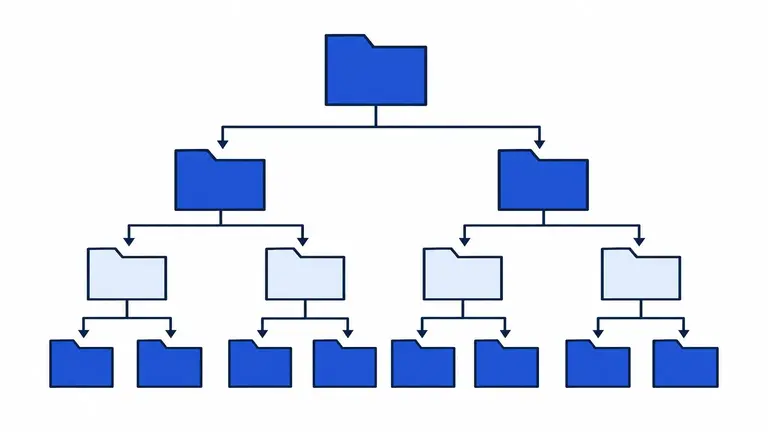
| Family composition | A simple family tree with each relevant person’s relationship, location and status. | Which relatives matter to the applicable criteria and whether anyone has been omitted. |
| Dependency | Dated financial transfers, expense records, living arrangements and a factual account of support. | Whether the claimed dependency matches the particular legal test, rather than merely showing occasional assistance. |
| Parental responsibility or adoption | Relevant orders, consent documents and adoption records. | Their legal effect and whether further evidence is needed. |
| Inconsistencies | Previous application answers and a list of conflicting names, dates or descriptions. | What caused the discrepancy and how it should be explained or corrected. |
| Missing material | A list of unavailable records, attempts to obtain them and possible alternative sources. | Whether alternatives are acceptable and what explanation is necessary. |
Provide authentic, unaltered evidence. If an earlier answer is wrong, identify the error and seek advice about the appropriate correction process rather than changing supporting records to make them match. Home Affairs accurate-information guidance explains the importance of accurate information and genuine documents.
An Australian immigration lawyer can identify the applicable pathway, review inconsistent records and scope any necessary explanations or submissions before an application is prepared.
Authorised immigration assistance. Family-visa relationship and sponsor-evidence assistance is restricted by Migration Act s 280, which provides exemptions including Australian legal practice. Do not take professional indemnity insurance coverage for granted if an unauthorised helper misstates family eligibility, or assume recovery of your losses is guaranteed.
What affects a parent application?
A parent application needs assessment of the intended pathway, not just proof of parenthood. Check the following conditions against the current requirements in the Home Affairs visa listing:
- If the pathway is undecided: distinguish the relevant parent options before preparing forms or making financial commitments. Ask which application-location, temporary or permanent, contributory or non-contributory distinctions matter.
- If family composition is relevant: prepare a complete account of the parent’s children and their circumstances. Do not assume one child in Australia resolves every applicable family-composition requirement.
- If sponsorship is proposed: establish the proposed sponsor’s actual status and circumstances, then assess the pathway-specific requirements.
- If financial support is required: distinguish sponsorship from any separate assurance-of-support requirement and confirm who must provide what.
- If an application already exists: locate the acknowledgement, reference number, correspondence and any changes in family circumstances. Ask how those changes affect the pending matter rather than assuming a fresh application is needed.
Queue arrangements, contributions and other financial obligations must be checked for the selected pathway. A lawyer’s professional fee is separate from government charges and any applicable financial-support obligations.
If health concerns arise, waiver availability depends on the visa’s health criterion. Home Affairs health-waiver guidance explains that only some visas allow a waiver and that, where available, the processing officer seeks supporting submissions; it is not a universal separate application.
What affects a child or dependent-relative application?
Do not apply one child-visa rule to every dependent relative. The intended visa’s current criteria determine how age, dependency, location and the relationship are assessed, as reflected in the Home Affairs visa listing.
If age or dependency may be significant, provide the applicant’s date of birth and a dated account of study, work, living arrangements and support. Ask the lawyer which circumstances and assessment dates matter; avoid assuming one universal age limit or dependency test.
If parental responsibility is shared or disputed, identify everyone with relevant responsibility and locate existing orders or consent documents. Explain any disagreement before application preparation, without sending unnecessary sensitive child information through an initial enquiry.
If adoption is involved, identify where and when it occurred and locate the legal records. Ask which pathway, recognition and evidence questions arise rather than assuming an adoption document is sufficient.
If the claim concerns another relative, describe the actual dependency or care circumstances. Financial assistance alone should not be treated as proof that a particular relative pathway is available.
If the applicant is in Australia, have the actual visa grant, conditions and operative period assessed. An intended family application does not itself establish lawful status or an automatic bridging visa entitlement. Consult Home Affairs expiring or expired visa guidance alongside the grant records.
How can you request family-visa assistance?
This website is an information and lawyer-enquiry guide, not a law firm. An enquiry requests contact from an Australian immigration lawyer; it does not create representation.
Prepare a short enquiry covering:
- The intended pathway and relationship: parent, child or other relative, including any uncertainty about the appropriate visa.
- Applicant and sponsor locations and status: summarise relevant citizenship or visa information.
- The stage reached: initial assessment, evidence collection, lodged application or existing decision.
- Relevant correspondence: have grant notices, requests for information and decisions available, including their dates.
- The assistance sought: pathway assessment, evidence review, application preparation or a response to an existing decision.
You can discuss appointing a lawyer and using Form 956 where appropriate; Home Affairs legal-practitioner guidance explains this assistance.
Ask for a written quote in A$ identifying the professional fee basis, GST treatment, government charges and disbursements, and whether sponsor work or further submissions are included. Fees and acceptance of instructions are matters for the receiving lawyer.
Where the task extends to preparing and maintaining the whole application, Visa Application Lawyer explains the broader scope of legal assistance.
If the relationship is between partners, Partner Visa Lawyer focuses on relationship evidence and partner-route complications.
Where an available health-waiver provision needs assessment, Health Waiver Lawyer addresses the supporting-submission task.
If a refusal already exists, have the decision and available response assessed before preparing another application; Visa Refusal Lawyer addresses that distinct task. Check the notification letter for review rights and applicable time limits rather than assuming a universal deadline, consistent with ART immigration and citizenship guidance.
If the issue extends beyond family evidence, Immigration Law Attorney in Australia helps identify legal assistance by application, adverse-decision or status task.
An Australian immigration lawyer can turn the family history into a focused evidence checklist, identify unresolved sponsor or dependency questions and assess the appropriate next step. Request legal help